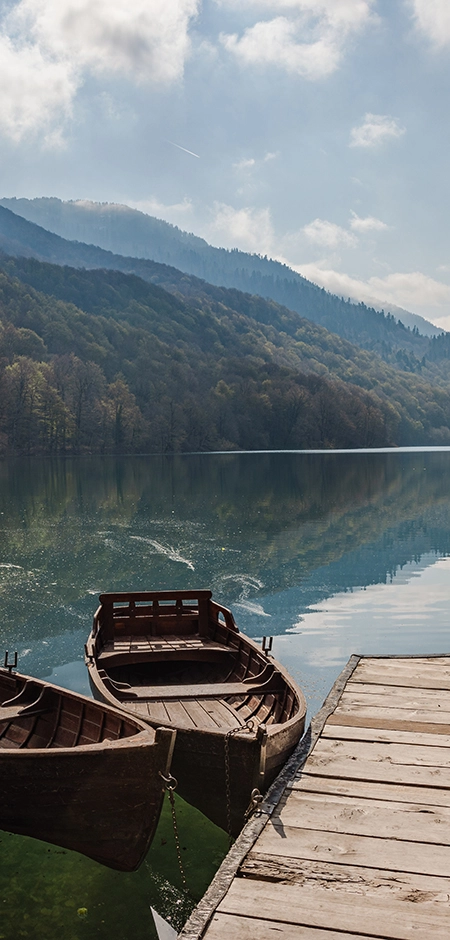
Tucked away in the heart of northern Montenegro, Biogradska Gora National Park is a place where time seems to stand still. One of Europe’s last three remaining rainforests, this pristine natural haven offers a rare glimpse into untouched wilderness, vibrant biodiversity, and breathtaking landscapes. Whether you're a passionate hiker, a nature enthusiast, or a curious tourist, Biogradska Gora, promises a truly immersive experience in one of the country’s oldest protected areas.
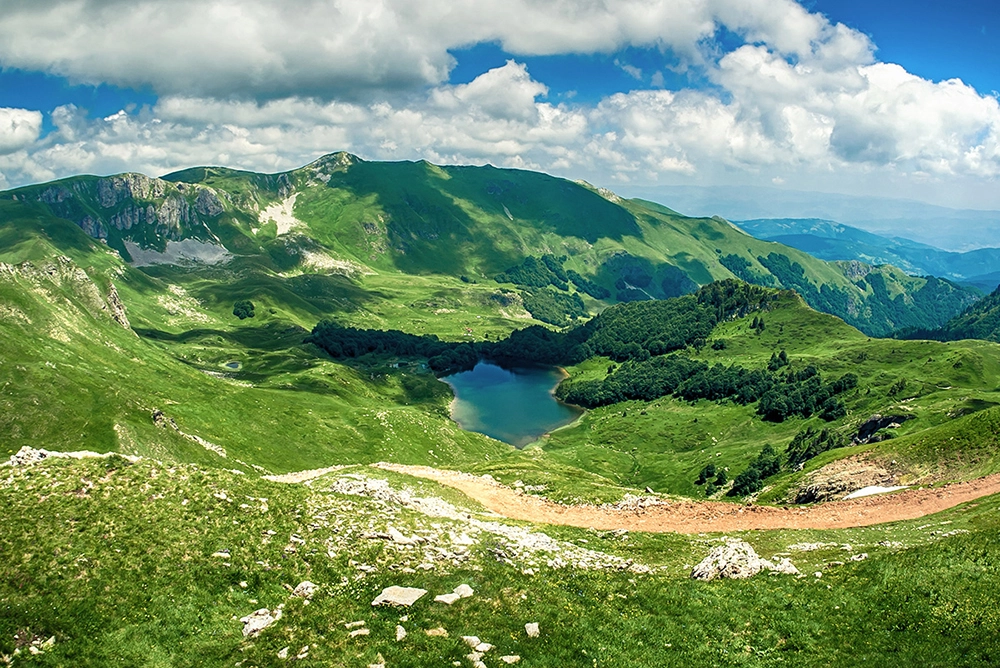
Established in 1952, Biogradska Gora was one of the first areas to be declared a national park in Montenegro. It covers approximately 5,400 hectares and serves as home to ancient trees, endemic plant species, and countless animals. The park's heart lies in the Biogradska old-growth forest, a rare ecosystem that has remained largely untouched for centuries, with some trees reaching over 500 years in age. As a cradle of biodiversity and a key part of the country’s natural heritage, Biogradska Gora plays a critical role in preserving Montenegro’s ecological balance. For generations, scientists, conservationists, and travelers have revered it as a living museum of natural history.
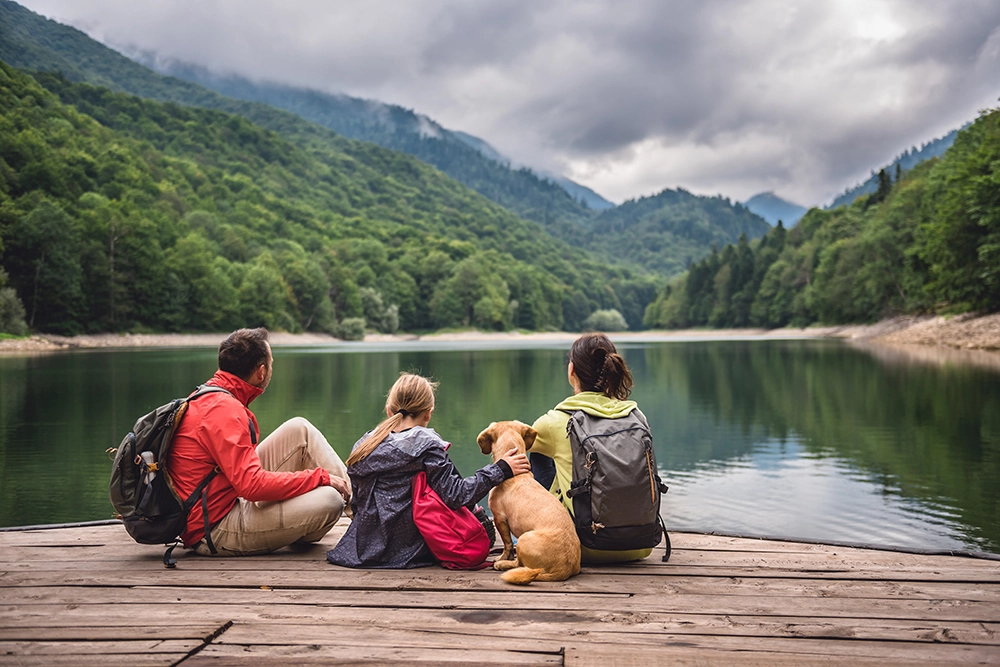
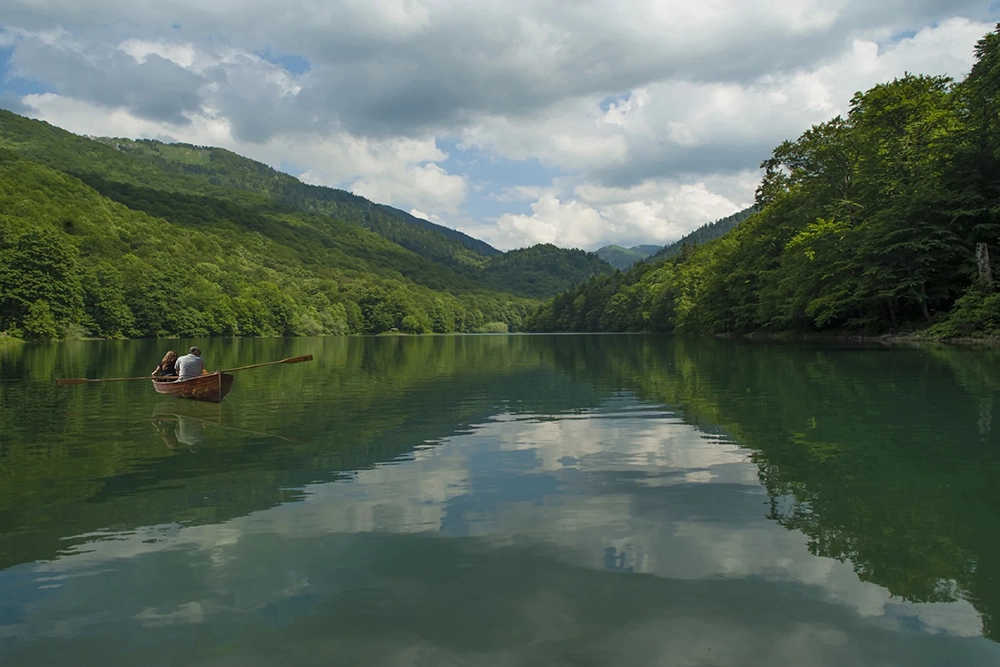
The park’s greatest treasure is its primeval forest, also known as an old-growth forest, a dense, centuries-old woodland that provides shelter to a thriving ecosystem. Towering beech, fir, and spruce trees form a canopy teeming with life. Walking through this forest feels like stepping into another world, one undisturbed by modern civilization. At the center of the park lies Biogradsko Lake, a glacial jewel reflecting the sky and surrounding peaks. Surrounded by thick forest and accessible by a flat trail, it is the perfect spot for relaxation, picnicking, or a serene boat ride. It’s no surprise this location features prominently in many lists of top Montenegro nature destinations. The park boasts an impressive array of flora and fauna, including over 2,000 plant species, 200 bird species, and more than 80 types of butterflies. It’s home to brown bears, foxes, deer, and many other mammals. The variety of species makes wildlife watching a rewarding activity for visitors, especially those with an eye for photography or birdwatching.
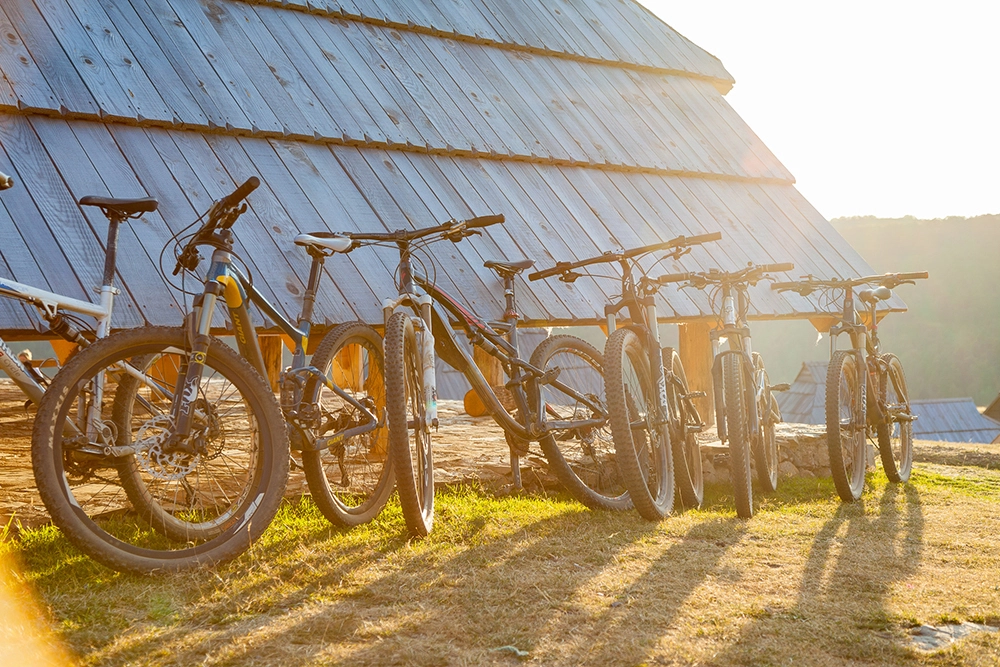
There’s no better way to explore the park than on foot. Hiking in Biogradska Gora offers something for every skill level:
Easy trails: A 3.5 km loop around Biogradsko Lake, ideal for families and casual walkers.
Moderate hikes: Routes to Bendovac Viewpoint and Katun Goleš offer rewarding views and a bit more challenge.
Challenging routes: Multi-hour treks to peaks like Zekova Glava provide an unforgettable alpine experience.
Tip: Hiking trails in Biogradska Gora National Park are clearly marked, but for more challenging hikes, always carry a map or GPS (although there’s no coverage everywhere). For beginners, hiring a local guide is always the safest option when choosing a more advanced hiking trail.
During warmer months, visitors can rent small boats to explore Biogradsko Lake from the water. There are also several picnic spots where you can enjoy a peaceful lunch surrounded by nature.
With some patience and a keen eye, you might spot deer drinking from streams, foxes darting through the woods, or owls calling from the treetops. Spring and early summer are the best times for wildlife sightings.
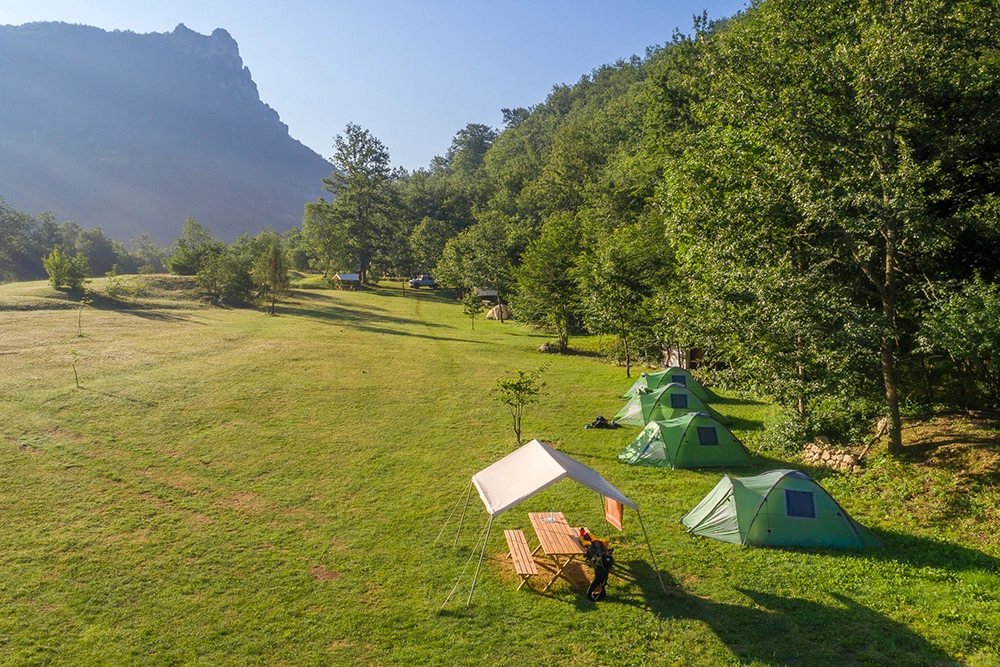
For those looking to stay overnight, camping is available in designated areas. This allows for a deeper connection with the park’s tranquil ambiance, particularly magical at sunrise and sunset.
Located in northern Montenegro, Biogradska Gora is just 15 minutes by car from the town of Kolašin, making it easily accessible:
By car: From Podgorica, it's a 30-minute drive via the Princess Ksenija highway, but you can also take the old scenic route through the Platije Canyon, which will take around 90 minutes of beautiful, steep scenery.
By train: Montenegro’s scenic railway connects Podgorica and Kolašin.
Guided tours: Many eco-tours and adventure travel operators offer day trips and hiking excursions, and there is also a tailor-made tour from Portonovi.
Wondering when to visit Biogradska Gora? Each season offers its own unique charm. Spring (May–June) is filled with wildflowers and ideal for birdwatching. Summer (July–August) is great for hiking and family trips, with long daylight hours. Autumn (September–October) is a photographer’s dream with colorful foliage and crisp air. Winter (December–March) is usually when the park is closed for visitors, but you can still hike from the entrance up to the lake. Snow-covered landscapes create a peaceful, almost mystical atmosphere that has to be experienced to understand.
Wear comfortable hiking shoes, layered clothing, and a jacket. Bring reusable water bottles, insect repellent, and snacks. A small entrance fee applies (4 euros per person). Respect nature - follow “Leave No Trace” principles and stick to marked trails.
Enhance your trip by visiting nearby highlights:
Kolašin: A charming mountain town known for skiing, hearty cuisine, and local hospitality.
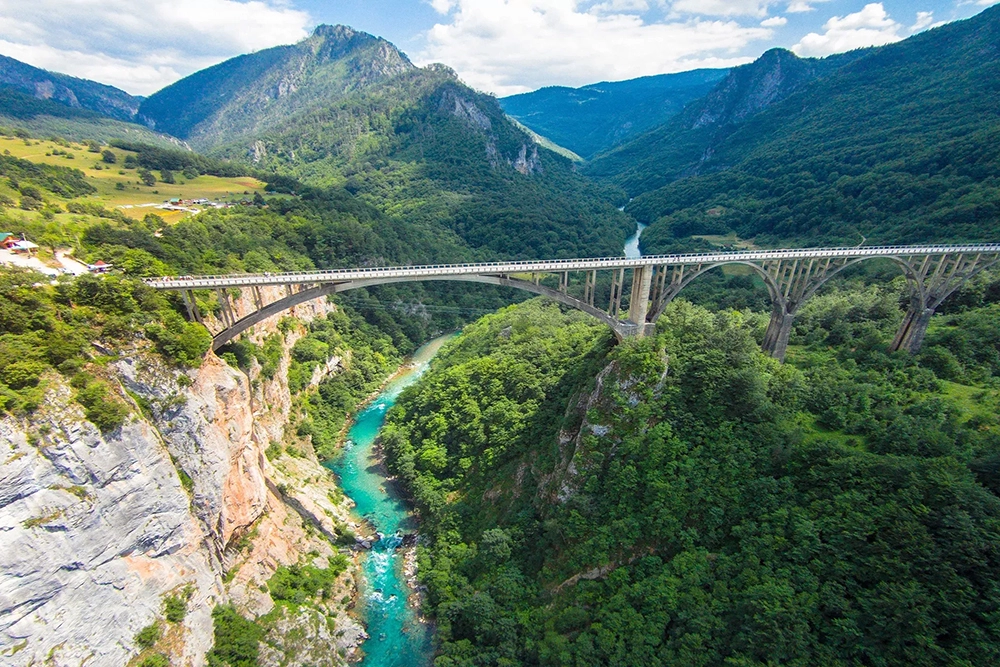
Tara River Canyon: Europe’s deepest canyon, ideal for rafting and hiking.
Durmitor National Park: Another UNESCO-listed natural wonder just a few hours away. Explore it here.
With its old-growth forest, mirror-like lake, rich biodiversity, and scenic trails, Biogradska Gora National Park is a nature lover’s dream. Whether you're seeking adventure, serenity, or a deeper connection with the wild, this park delivers it all.
Plan your trip to Biogradska Gora today, and while you're at it, extend your journey with a stay in Portonovi, where luxury meets nature on Montenegro’s Adriatic coast.
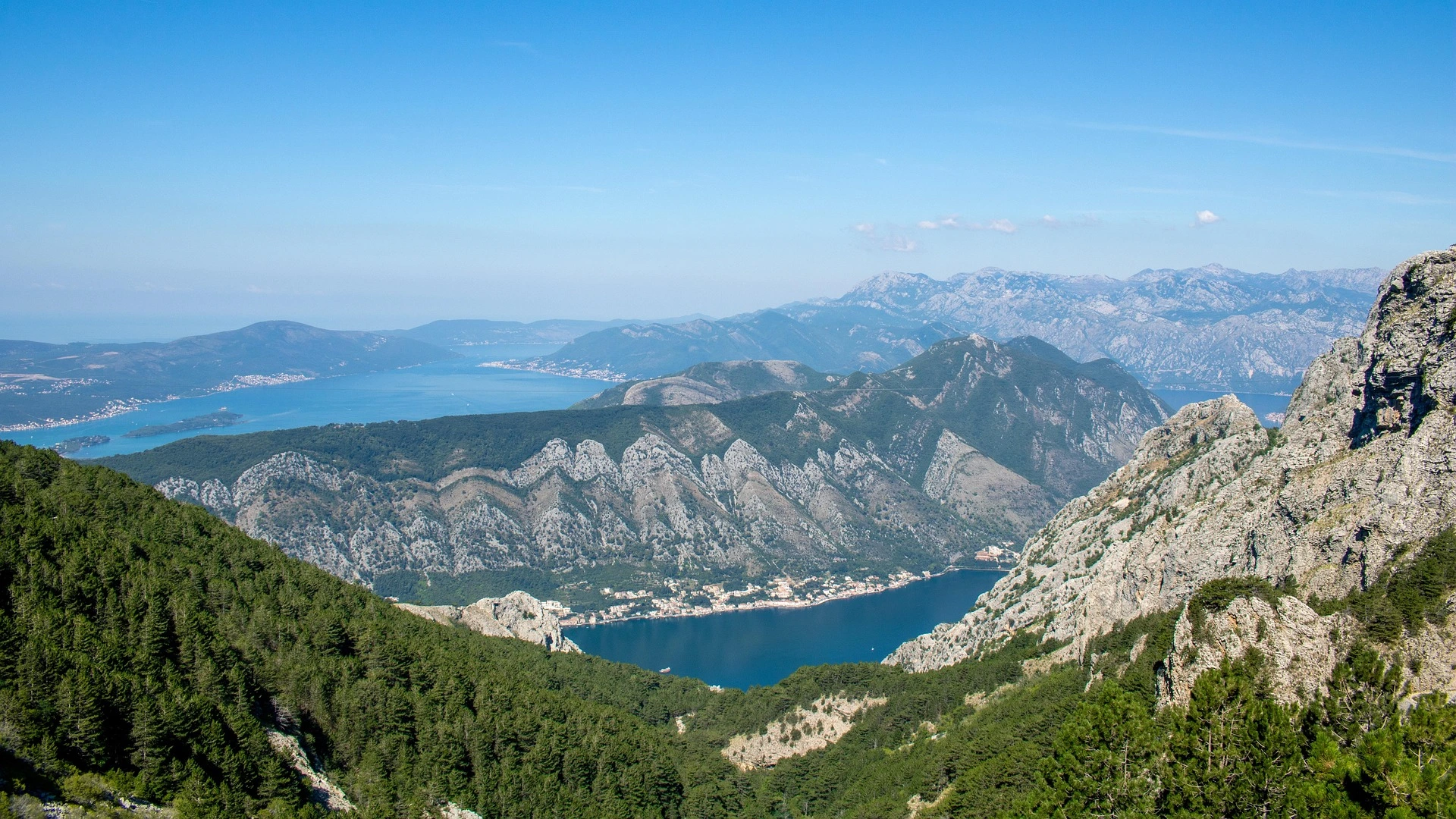
Montenegro offers one of Europe’s most dramatic natural landscapes - an untouched playground for hikers, nature lovers, and adventurers. With its fusion of Adriatic coastline, ancient forests, limestone ridges, and soaring alpine peaks, this is a destination that invites exploration in every season.
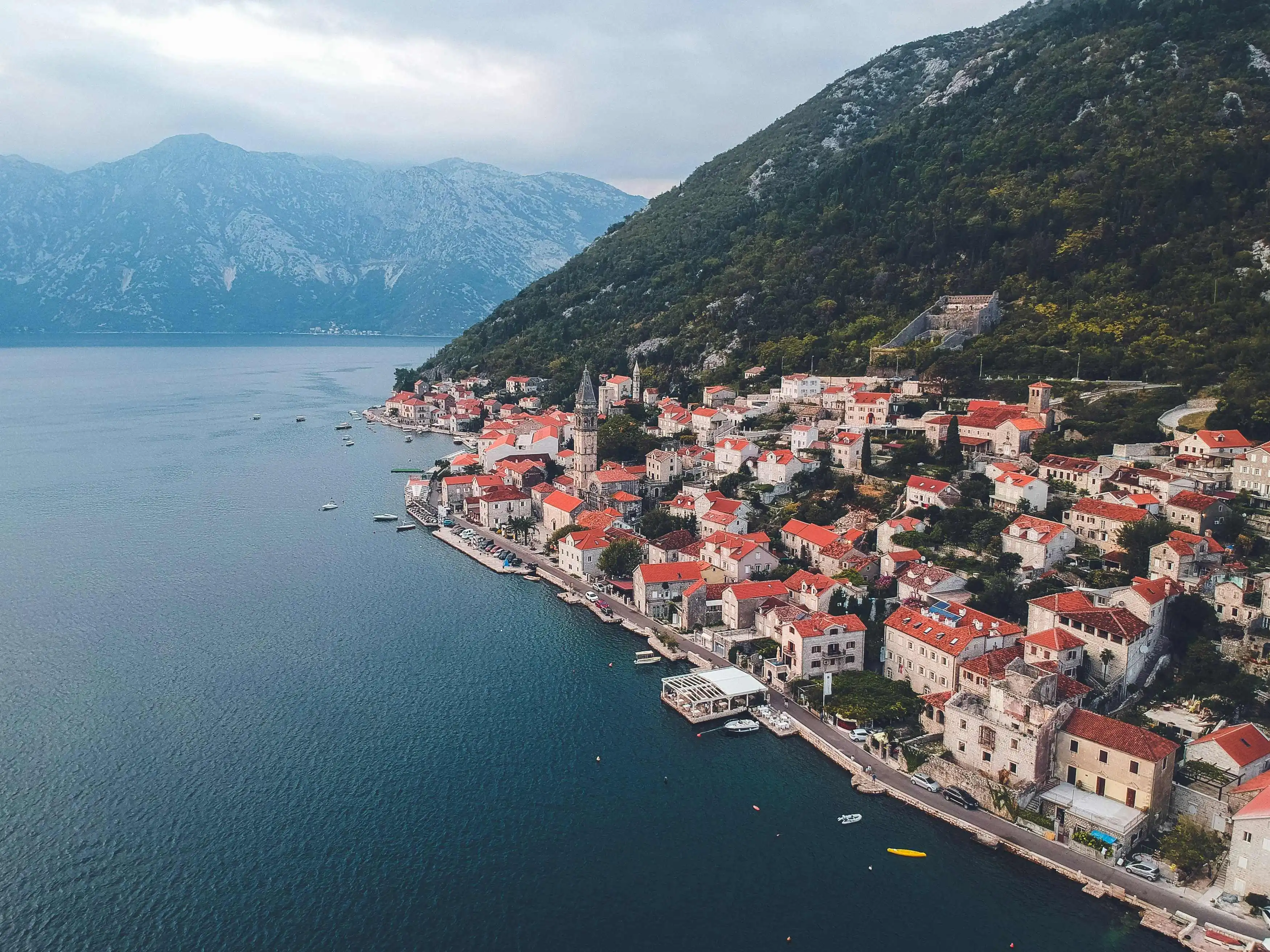
In an ever-changing world, feeling safe has become one of life’s greatest luxuries. Whether we’re traveling solo, exploring with family, or considering where to build a second home, security shapes our choices more than ever before.

Destination weddings are on the rise: the global destination wedding market continues to expand, and Montenegro is increasingly recognized for its blend of natural beauty, high-end venues, and growing international visibility.